
A Quick Overview
Bitcoin, often called digital gold, has traveled a long path since its creation in 2009. Once a niche concept discussed on online forums, it has now become one of the most recognized digital assets across the world. As we move through 2025, Bitcoin continues to influence financial discussions, policy decisions, and even social perspectives about money and technology.
The Growth of Interest
Bitcoin’s popularity is not limited to traders anymore. Today, it is being studied in universities, discussed by governments, and even integrated into payment systems. Businesses from small tech firms to large global companies have started exploring blockchain technology to make their systems more transparent and efficient.
Market Behavior and Trends
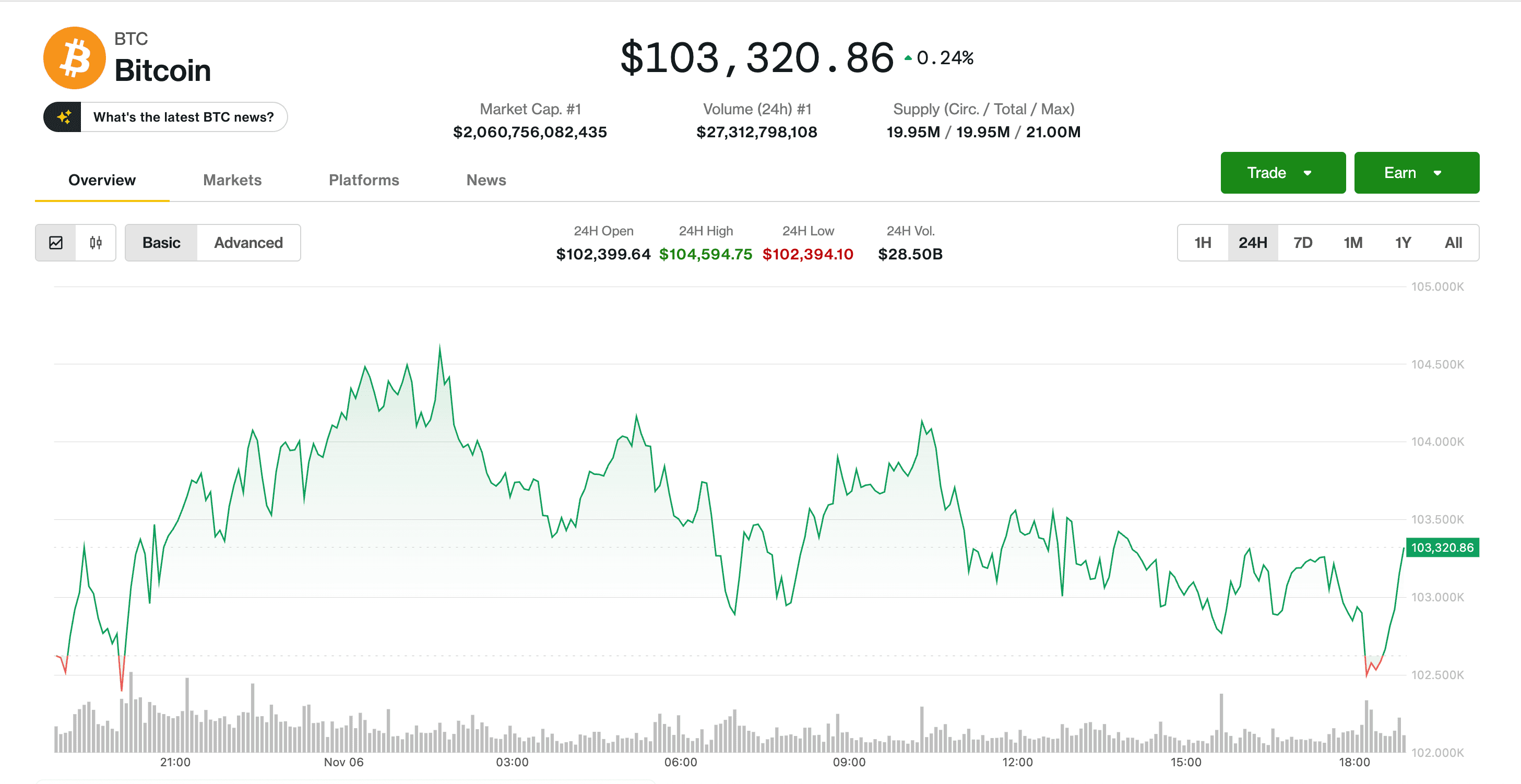
In recent months, Bitcoin’s price has seen fluctuations, as it often does. But beyond the numbers, analysts notice a pattern of steady adoption. Many countries are developing clearer regulations, leading to a more stable environment for users and organizations interested in using cryptocurrency responsibly.
Another noticeable trend is the gradual increase in long-term holders individuals and institutions that believe in the technology rather than short-term profit. This change suggests a maturing market, one that may be less driven by hype and more by understanding.
Bitcoin in Everyday Use
While Bitcoin remains primarily a digital investment, its usage as a method of payment has also grown. Some online retailers, travel platforms, and even educational institutions now accept Bitcoin for transactions. However, it’s important to remember that transaction speed, fees, and local regulations still play a big role in whether Bitcoin can be used easily in daily life.
Environmental Improvements
One of the most discussed topics around Bitcoin has been its environmental impact. The industry has responded with innovations from cleaner mining operations using renewable energy, to new technologies that make energy use more efficient. Many mining pools now operate in regions with hydro or solar power, significantly lowering their carbon footprint.
Global Regulation and Awareness
Governments around the world are developing frameworks to manage cryptocurrency use safely. This is a good sign for users and businesses alike, as clear regulations often reduce uncertainty and increase trust. Education about digital currencies is also improving helping more people understand Bitcoin not as a get-rich-quick tool, but as a technological evolution.
Risks and Realities
It’s important to remember that Bitcoin is still a volatile digital asset. Prices may rise or fall sharply, and users should always do their own research and stay informed. Anyone exploring Bitcoin should treat it as a high-risk, innovative form of digital asset not as guaranteed profit.
Future Possibilities
Experts suggest that Bitcoin could play a stronger role in the global financial ecosystem over the coming decade. Some expect it to serve as a long-term store of value, while others focus on its underlying blockchain technology, which could transform how we handle contracts, identity, and information exchange.
A Balanced Perspective
The story of Bitcoin is not about sudden wealth, but about gradual transformation. It represents innovation, independence, and curiosity traits that continue to inspire people across the globe. Like any new technology, it comes with challenges, but also with endless opportunities for learning and development.
By staying informed, being responsible, and focusing on knowledge rather than speculation, readers can understand Bitcoin’s role in shaping the digital future without falling into unrealistic expectations.
Final Thoughts
Bitcoin’s trend in 2025 shows a steady mix of excitement and maturity. The world’s most famous cryptocurrency continues to evolve, proving that financial innovation and user awareness can coexist. The journey of Bitcoin is far from over it’s just entering a more balanced and sustainable phase.
Disclaimer: This article is meant for educational purposes only. It does not offer financial advice or investment recommendations. Always consult qualified professionals before making financial decisions.